Culture
& Identity
A civilizational memory archive for Tunisia, Carthage, Amazigh inheritance, maritime borderlands, diaspora identity, and the systems of belonging that turn culture into infrastructure.
What is this archive?
Culture and identity are not treated here as loose fragments. This page is a civilizational memory archive, an identity systems map, and a premium internal navigation hub connecting Tunisia, maritime borderlands, diaspora, philosophy, systems thinking, and Darja Rihla doctrine.
Memory becomes structure
Culture is organized as an archive layer: places, languages, institutions, myths, routes, and inherited meanings arranged into a readable system.
Belonging becomes infrastructure
Identity becomes powerful when it moves beyond personal feeling and becomes a shared architecture of continuity, defense, legitimacy, and future imagination.
Culture connects to strategy
The page bridges historical culture with systems thinking, philosophy, maritime power, institutional belief, and civilizational survival.
Where memory becomes cohesion
The VOC Belief System
How institutions use narrative, commercial discipline, and shared belief to survive beyond individuals.
Ibn Khaldun and the Cycle of Asabiyyah
A framework for solidarity, decline, renewal, and the social energy behind civilizations.
Why Empires Need Stories More Than Armies
Power lasts when people believe the story that explains sacrifice, order, inheritance, and future.
Systems Thinking & Strategy
Feedback loops, structure, incentives, and the deeper pattern logic behind culture and institutions.
Culture is not decoration
Culture is the memory layer of civilization. It tells people who they are, what they inherit, what they defend, and what future they believe is still possible. Identity becomes powerful when it stops being only personal and becomes civilizational infrastructure.
The Culture & Identity Map
Each cluster is a discovery card with live status, completion logic, doctrine statement, and recommended path.
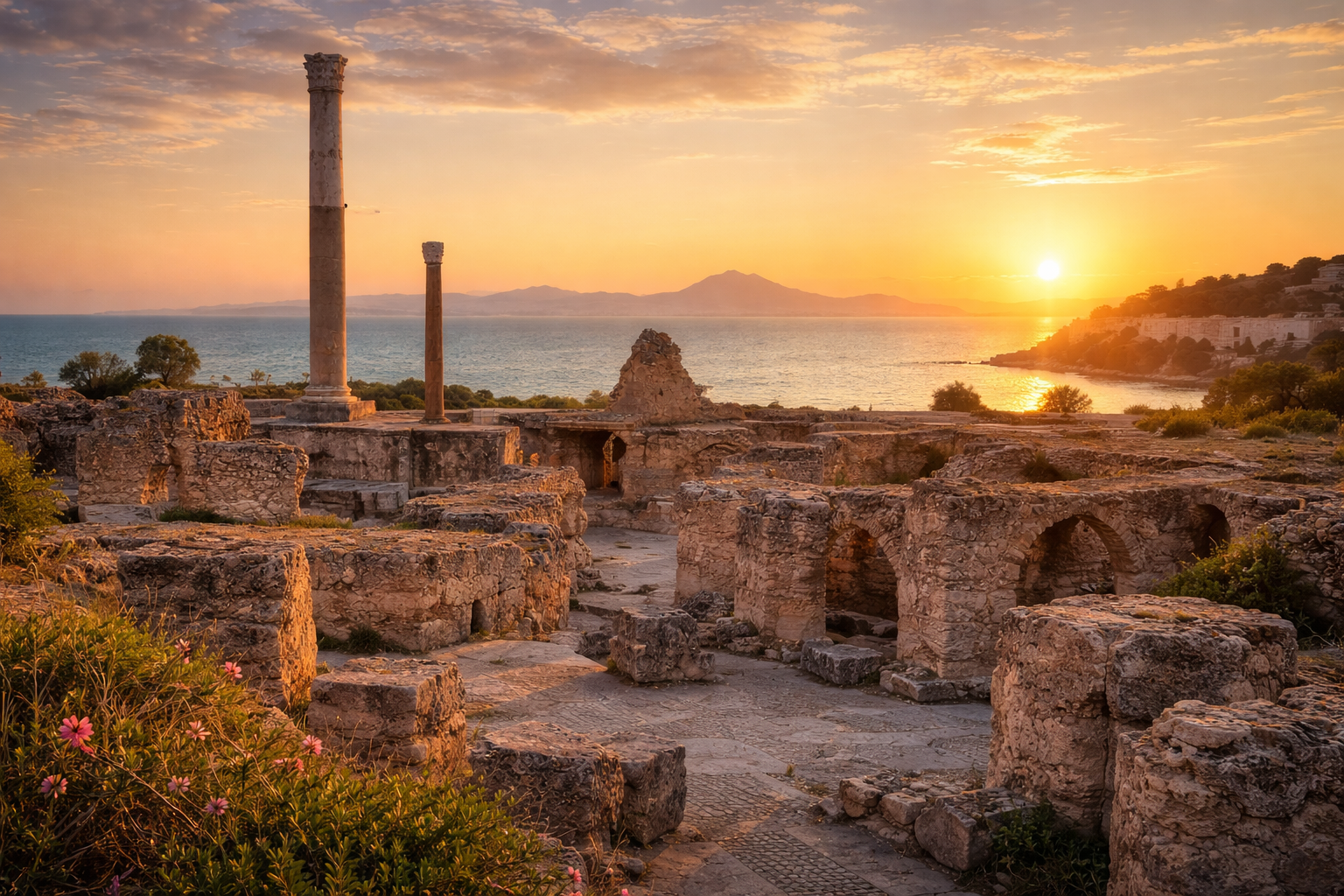
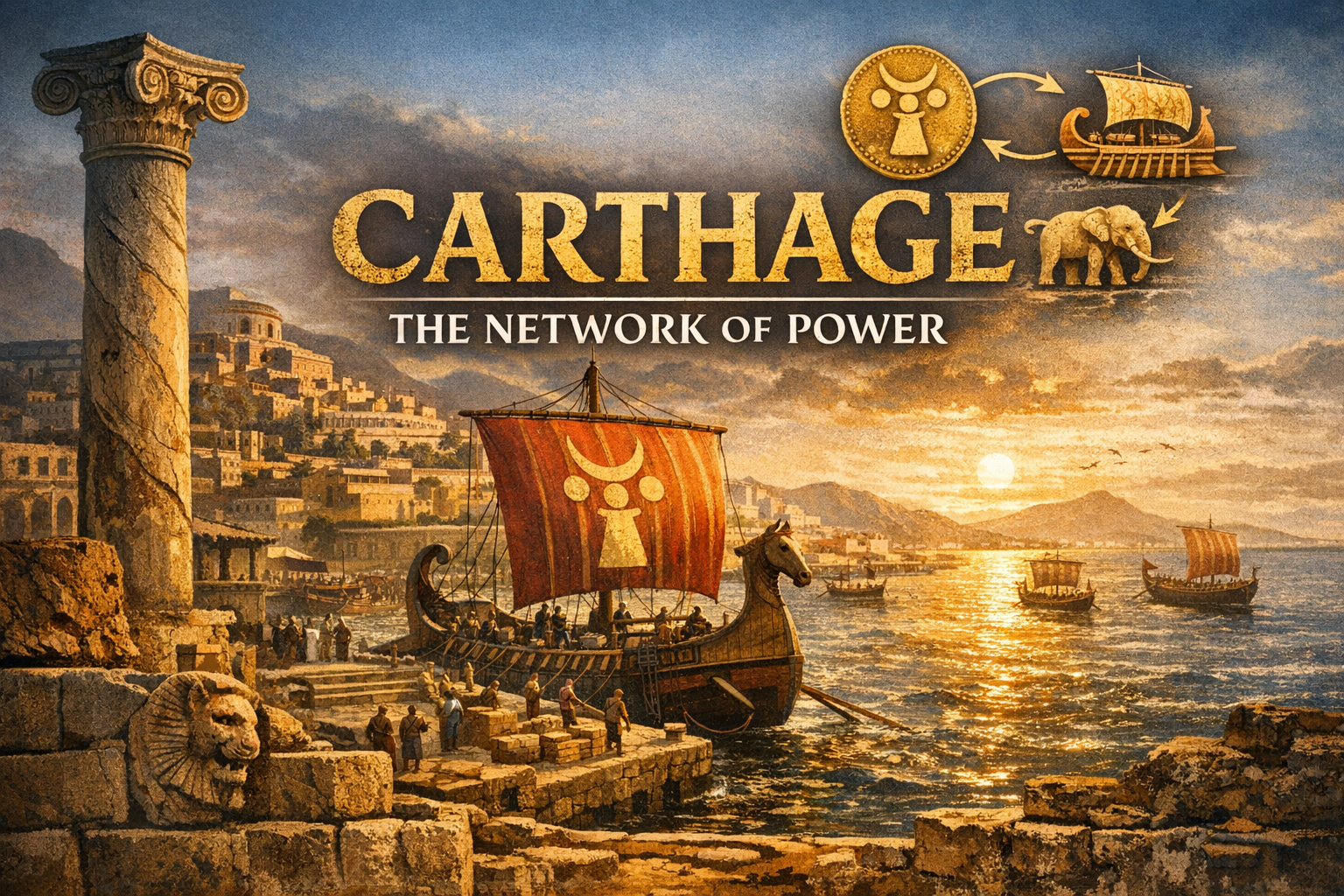
Tunisia is a compressed archive of Punic, Amazigh, Roman, Islamic, Mediterranean, and modern memory. This lane reads geography as a civilizational memory system.
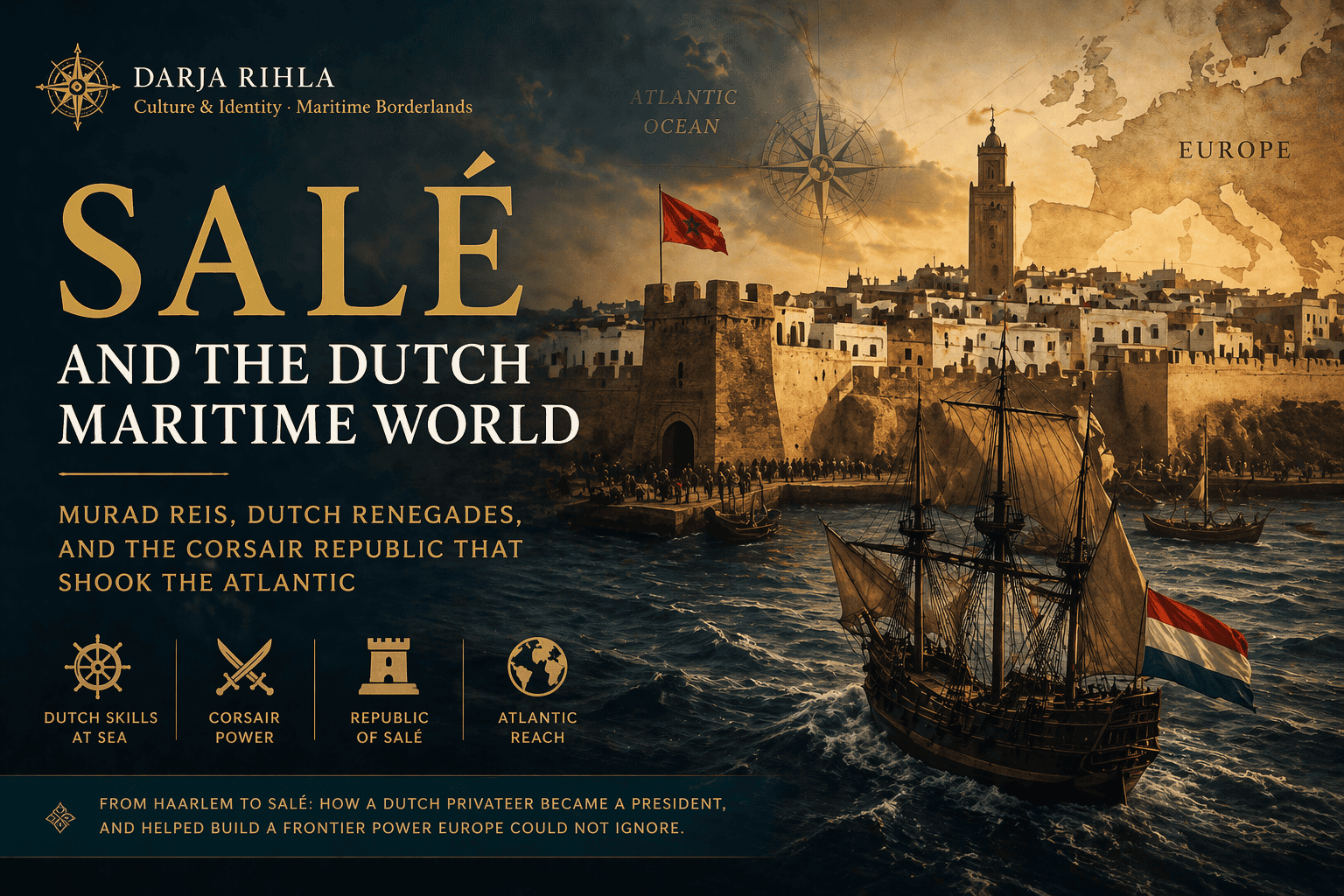
Maritime networks, corsairing republics, VOC power, slave trades, and the frontier institutions of the Mediterranean and Atlantic.
Diaspora identity, transnational communities, inherited meaning across borders, and the architecture of cultural continuity in dispersion.
Bridges connecting Culture & Identity to Philosophy & Legacy, Systems & Strategy, and Cybersecurity & Tech layers.
Reading Routes
Three paths through the archive, each revealing different angles of culture, identity, and belonging.
The Identity Route
Start with Tunisia’s memory system, trace diaspora identity, understand cohesion architecture through asabiyyah and doctrine.
- Tunisian Civilization History
- Amazigh Identity & Heritage
- Ibn Khaldun and Asabiyyah
- Diaspora Identity Architecture
The Maritime Route
Follow trade routes and naval power from Mediterranean corsairs to Atlantic institutional power, understanding commerce as identity.
- Maritime Borderlands History
- Corsairs & Frontier Republics
- The VOC Belief System
- VOC Maritime Power
The Systems Route
Understand culture as infrastructure—memory becomes structure, belonging becomes operations, narrative becomes legitimacy.
- Culture as Infrastructure
- Why Empires Need Stories
- Systems Thinking & Strategy
- Narrative Legitimacy Framework
Connected Layers
Culture & Identity is the memory layer of a larger system connecting to philosophy, strategy, and infrastructure.
Philosophy & Legacy
Meaning layer — Understanding what endures and why beliefs structure civilization.
← Memory to MeaningSystems & Strategy
Structure layer — How meaning becomes institutions, incentives, and coherent action.
← Meaning to SystemsCybersecurity & Tech
Infrastructure layer — Where systems are defended, scaled, and made resilient.
← Systems to Defense